Tuesday, 28 May 2024

Top 10 Gear Motor Manufacturers in 2024


Are you looking for a reliable gear motor manufacturer? Do you find it challenging to obtain comprehensive information about different companies in the market? Your search ends here.
 
We have completed an extensive survey and compiled the top 10 gear motor manufacturers in 2024, saving you the time and hassle of scouring the internet. This article provides detailed insights into each company, helping you make an informed decision.
 
PositionCompany NameYear EstablishedLocation
11947Germany
21931Switzerland
32001China
41950Germany
51961Switzerland
61980Taiwan, China
71927Germany
81973Japan
91975USA
101995Sweden

1. Faulhaber

Introduction:

Faulhaber, a German supplier of precision micro and miniature drive systems, ended its fiscal year 2023 with sales of 231.6 million euros, an increase of 3.6% compared to 2022. It has more than 20 subsidiaries and associated companies around the world and provides various types and specifications of gear motors. Its customers include companies in medical and laboratory equipment, aerospace, optics and photonics, modeling and prototyping, and more.
 

Location: Germany

2. Portescap
Introduction:

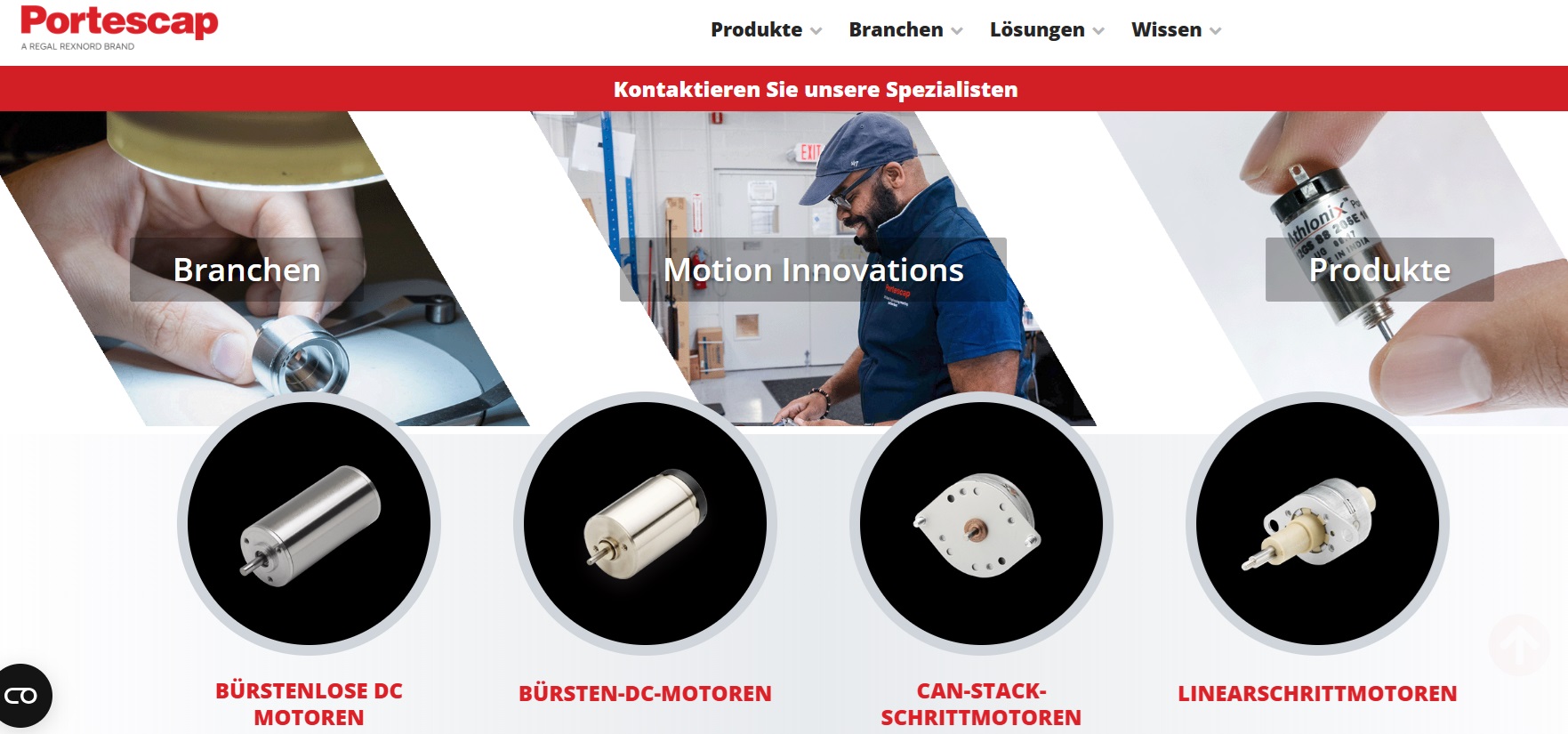
Portescap is a company specializing in the production of micro motors and precision drive systems, and its products are widely used in medical, aerospace, industrial automation and other fields. 
 
Portescap employs 110 people worldwide and achieved $21 million in revenue in 2023. Portescap not only provides high-performance and high-efficiency gear motors but also provides customized solutions and high-quality services to meet the different needs of customers.
 
According to a study, customer satisfaction has a positive relationship with market share and profitability, and Portescap maintains its competitive advantage in the gear motor market by continuously improving customer satisfaction.

Location: Switzerland

3. Uniqualis
Introduction:

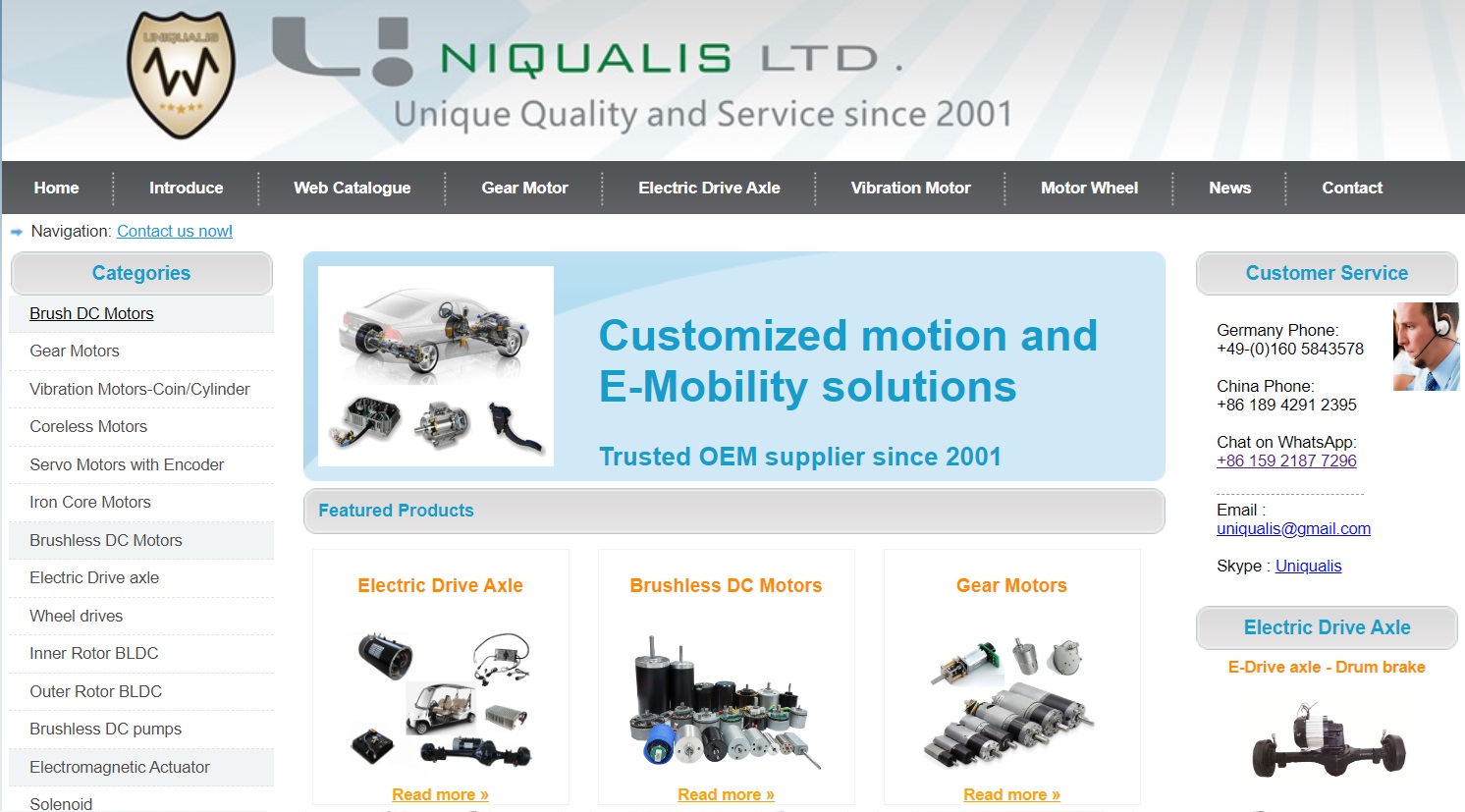
Uniqualis, established in 2001, whose headquarter is in Shanghai City with After-Sales office in Frankfurt am Main,Germany from 2017, is an experienced company that designs, develops and manufactures precision transmission systems.
 
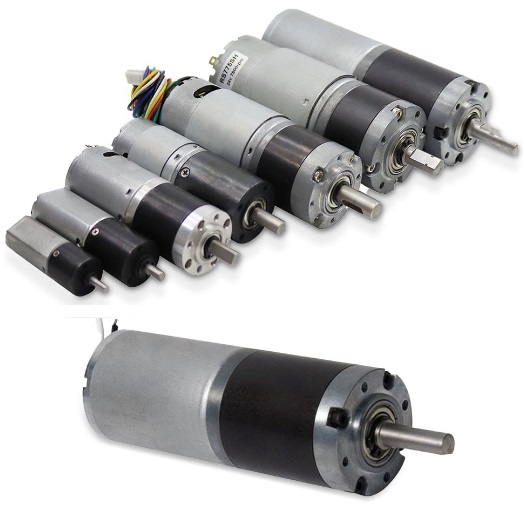
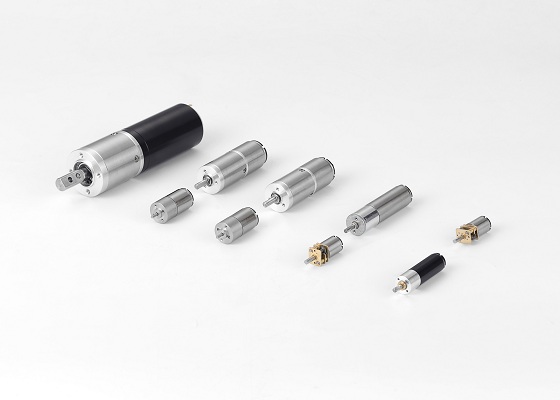
We specialize in manufacturing high-precision small gear motors, planetary gear motors, Electric Drive axle, Motor Wheels, brushless DC motors, and micro DC motors with diameters ranging from 6mm to 42mm. Our products are fully compliant with REACH and RoHS regulations, ensuring their safety and environmental friendliness. Whether you require individual motor components or complex mechanisms, Uniqualis can fulfill your motor needs.

Location: China

4. Dunkermotoren
Introduction:

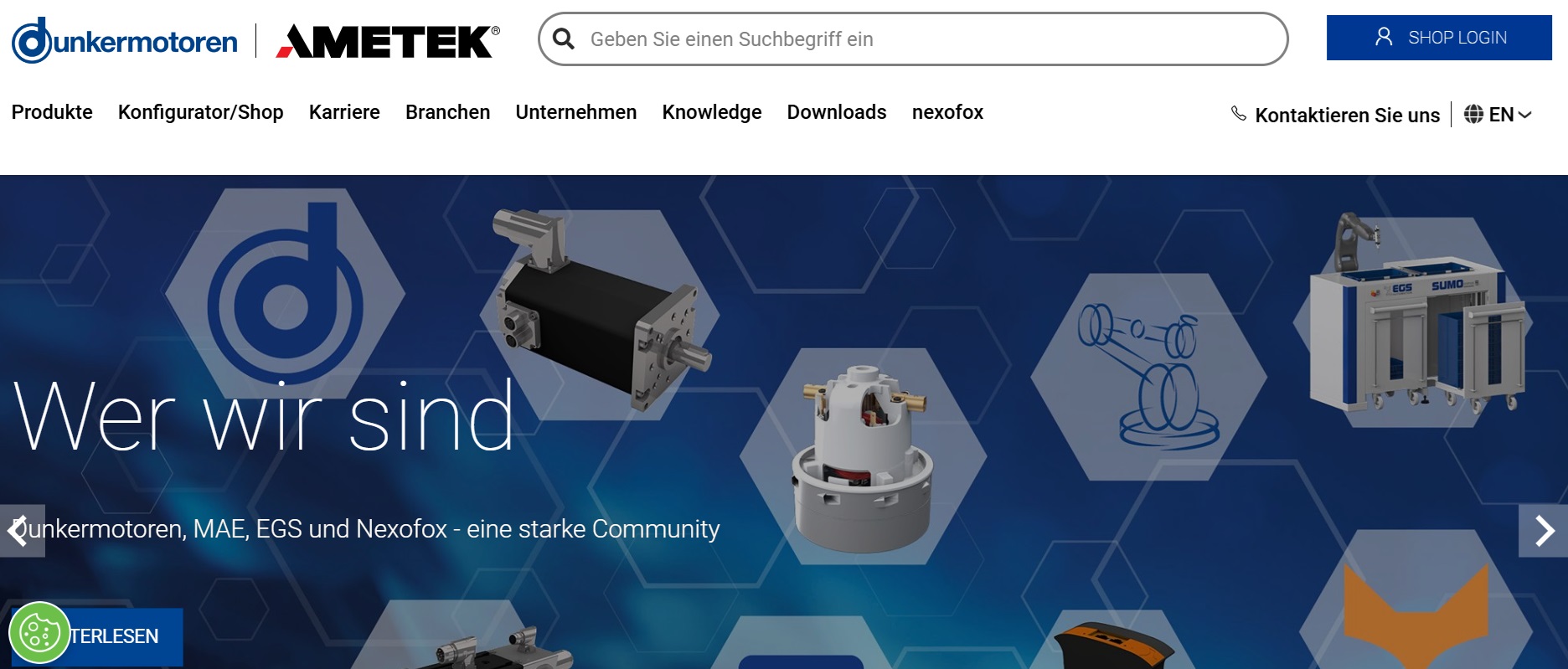
Dunkermotoren is a company specializing in the production of customized rotary and linear motion solutions for a wide range of applications in the automation, medical, solar, packaging, semiconductor and transportation industries. Dunkermotoren was established in 1950 and is currently a business unit of AMETEK Advanced Motion Solutions.
 
Dunkermotoren not only offers brushed and brushless DC motors, but also integrated electronics and planetary gearboxes. Dunkermotoren is increasing its profitability and market share in the gear motor market through continuous improvement in customer satisfaction.

Location: Germany

5. Maxon
Introduction:

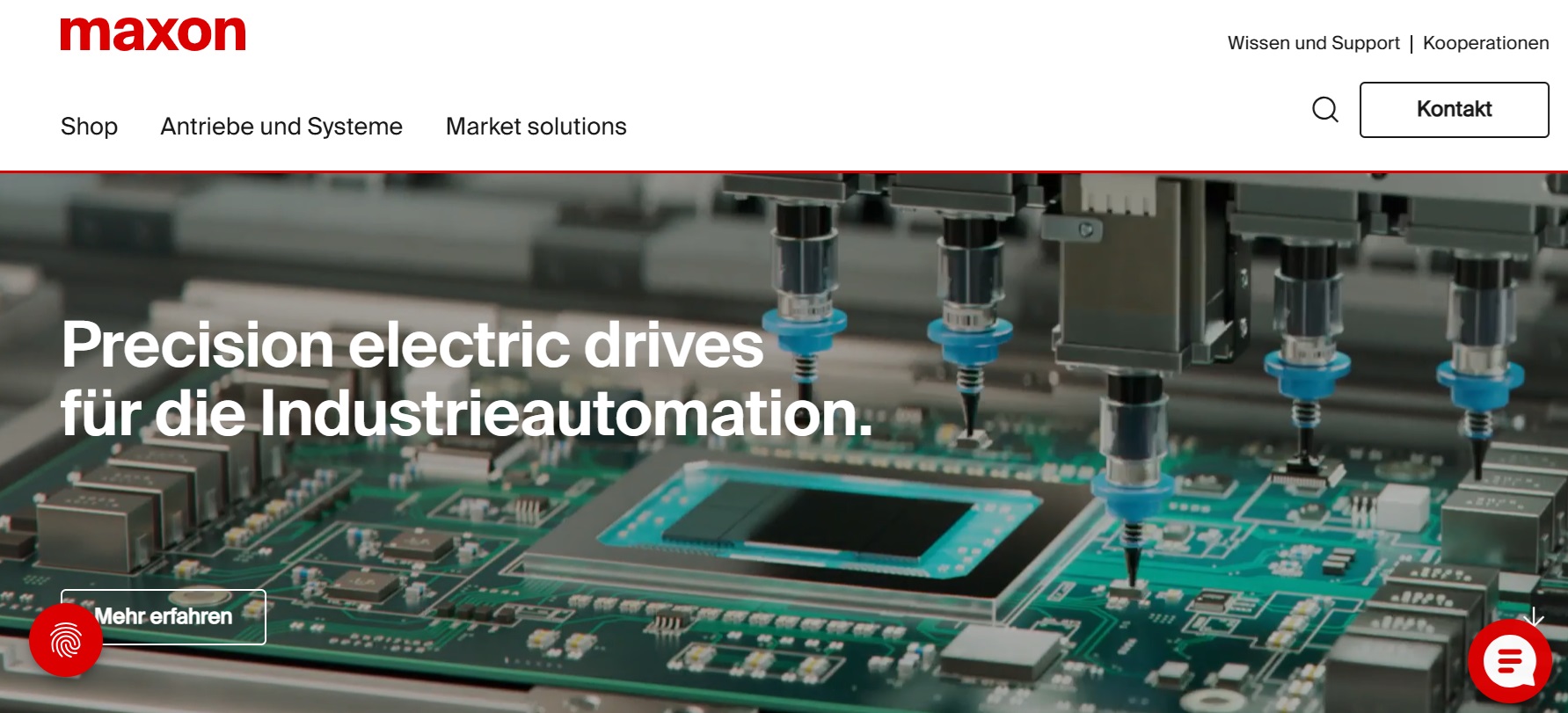
Maxon is a company specializing in the production of high-precision DC motors and drive systems. Its products are widely used in medical, aerospace, industrial automation, robotics and other fields. Maxon generated 520 million Swiss francs ($560 million) in revenue in 2023 and has a 40% market share in the medtech sector.
 
Maxon not only provides high-performance and high-efficiency gear motors but also provides customized solutions and high-quality services to meet the different needs of customers. According to a study, customer satisfaction has a positive relationship with market share and profitability, and Maxon maintains its competitive advantage in the gear motor market by continuously improving customer satisfaction.
 

Location: Switzerland

6. Sha Yang Ye Industrial
Introduction:

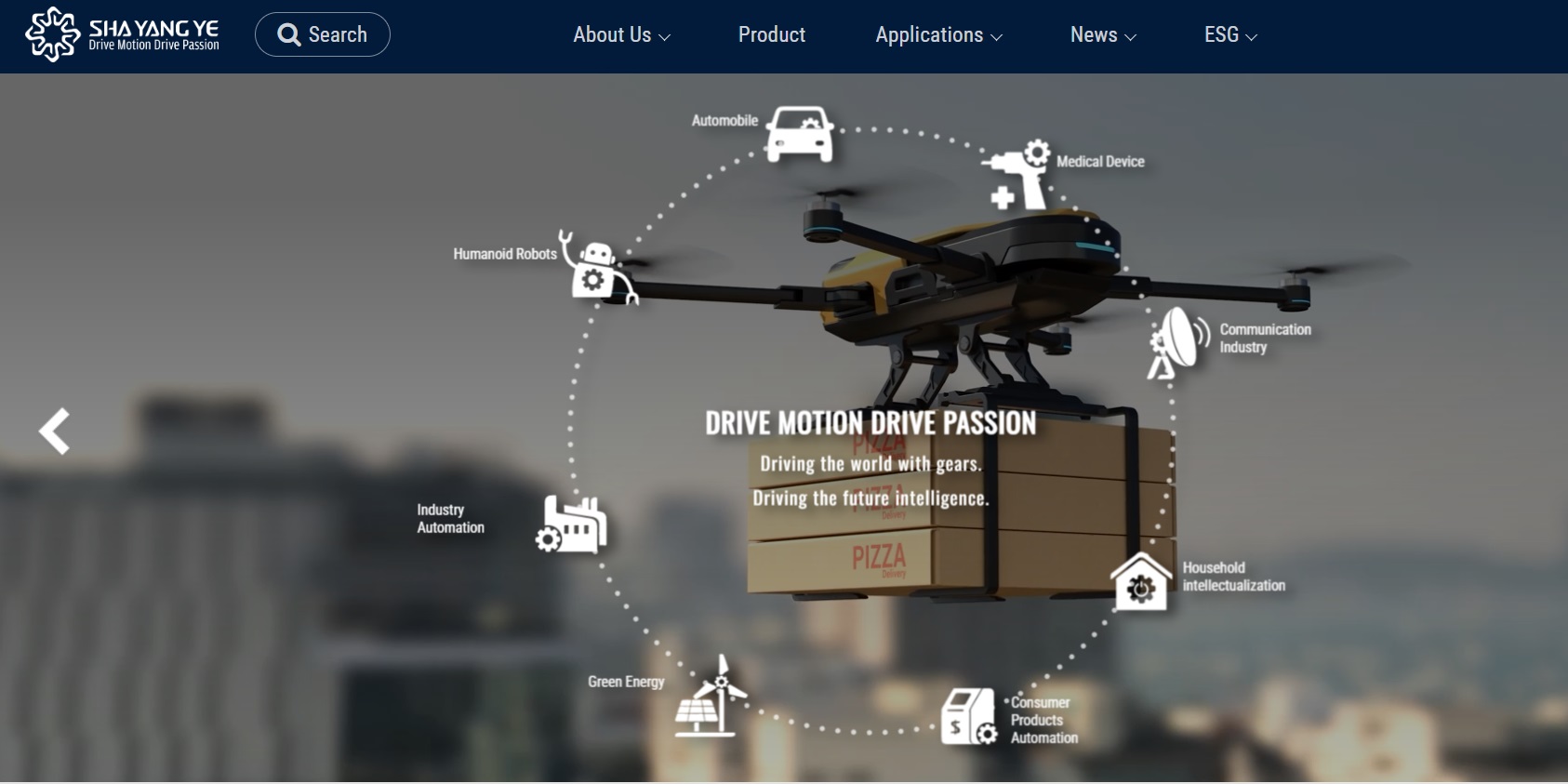
SHA YANG YE Industrial Co. Ltd has been established in 1980 as a professional maker of micro geared motors, servo motors, encoders, intellectual automation devices and robots etc. Thanks to the philosophy of "Harmonic, Truthful, and Innovative " in management, we have grown steadily and healthfully.
 
Now we have successfully won a good reputation in the industries including auto industry, industrial automation, consumer product automation, medical appliance and communication industry. We are sure our compact micro geared motor assemblies will meet " Geared for Success; Geared for Life."

Location: Taiwan, China

7. Bauer
Introduction:

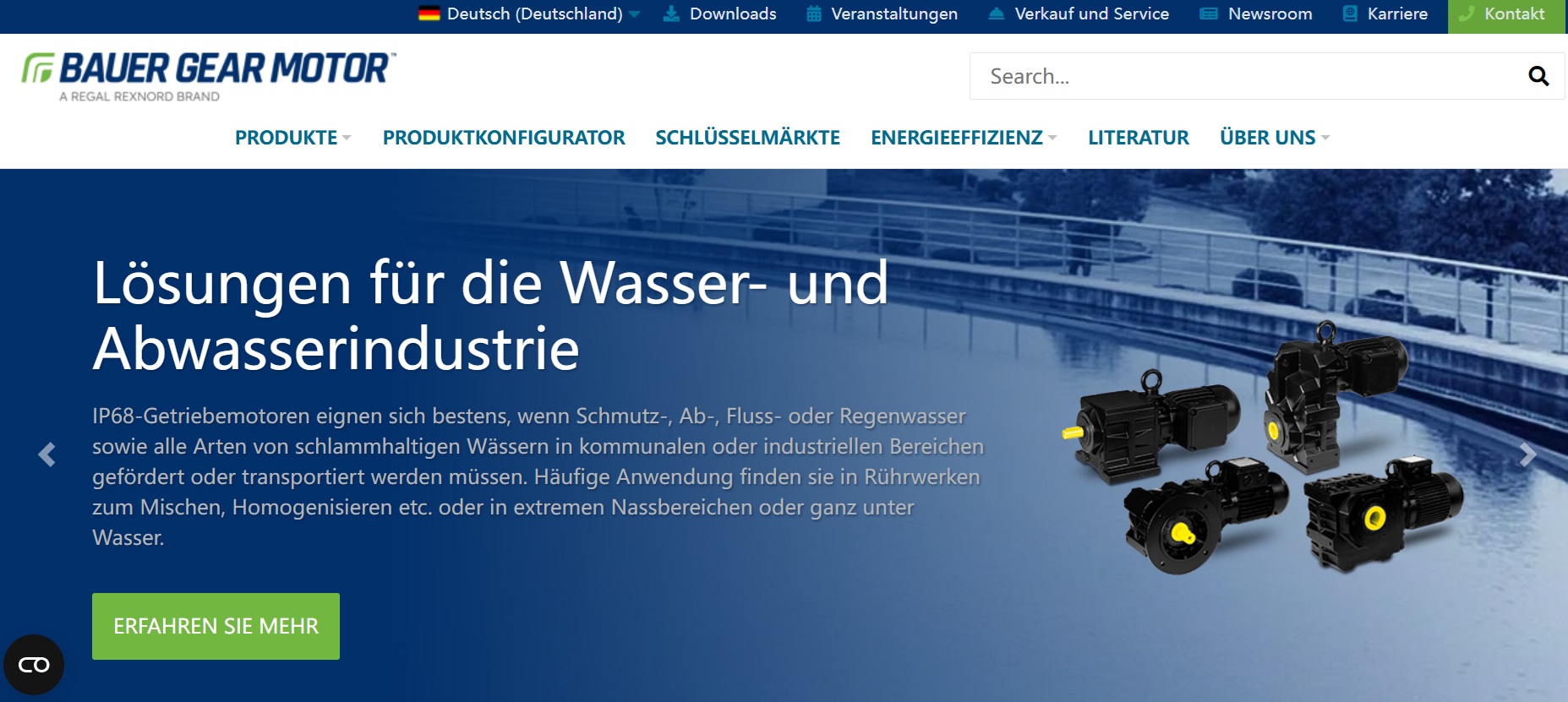
Bauer's wide product range includes helical geared motors, shaft-mounted geared motors, bevel-geared motors, worm geared motors, monorail geared motor drives, aseptic drives, and C-adapter motor connection.
 
At Bauer Gear Motor, You can find our proven energy-efficient solutions across various types of drivetrains in countless markets, including food & beverage, energy, wastewater, concrete, metals, and material handling. Within the material handling market, you can find many of our products hard at work on rolling mills, monorail systems and overhead conveyors, together with cranes to name a few.

Location: Germany

8. Nidec Corporation
Introduction:

Nidec Corporation, a Japanese motor manufacturer, ended its fiscal year 2023 with sales of $1,707.2 million, an increase of 12.24% over 2022. It has more than 300 subsidiaries and associated companies around the world and provides various types and specifications of gear motors. Its customers include companies in the fields of automobiles, industry, home appliances, and information and communication.
 

Location: Japan

9. ISL
Introduction:

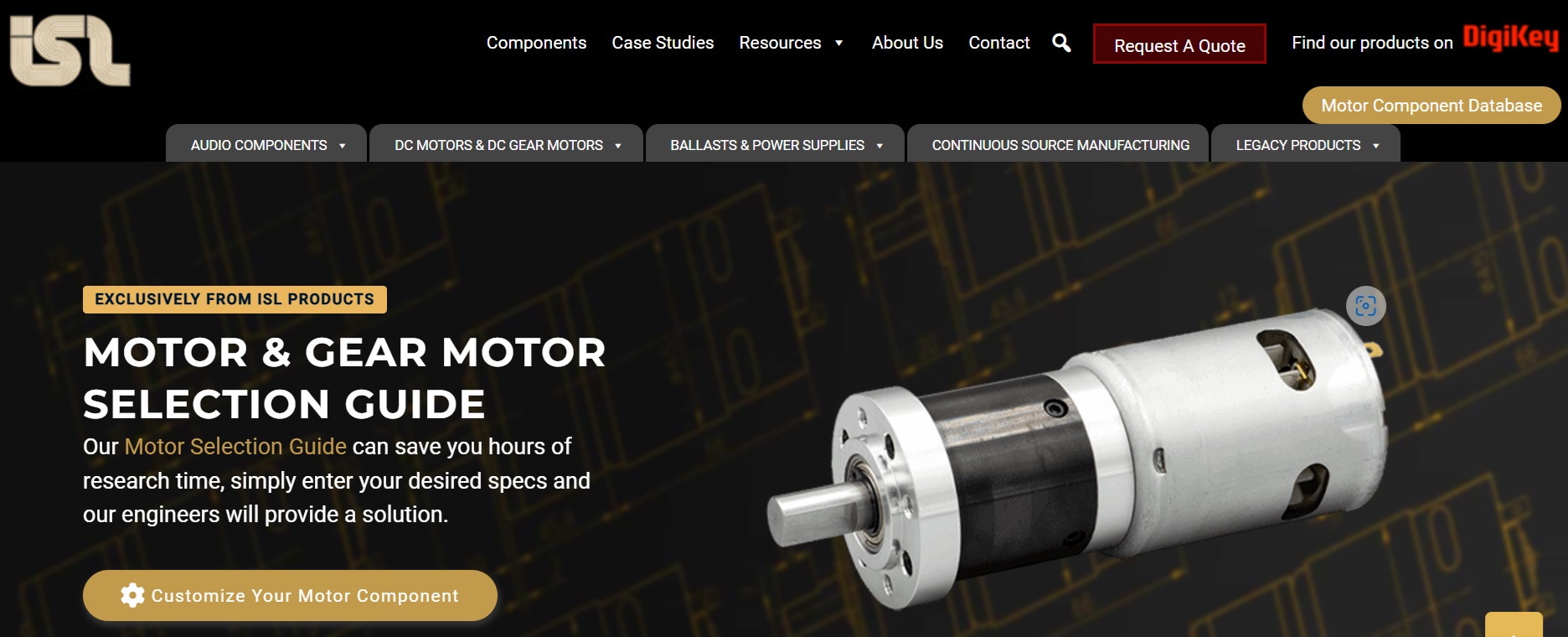
ISL is a professional solution manufacturer of electric motors and related mechanical components. Its products include brushed DC motors, brushless DC motors, planetary gear motors, helical gear motors, stepper motors, DC servo motors and worm gear motors.
 
ISL's gear motors feature high efficiency, high torque output, low noise and low backlash, and are suitable for various loads and intermittent duty modes.
 
ISL found no information on sales, market share, customer satisfaction or award accreditation.

Location: USA

10. Transmotec
Introduction:

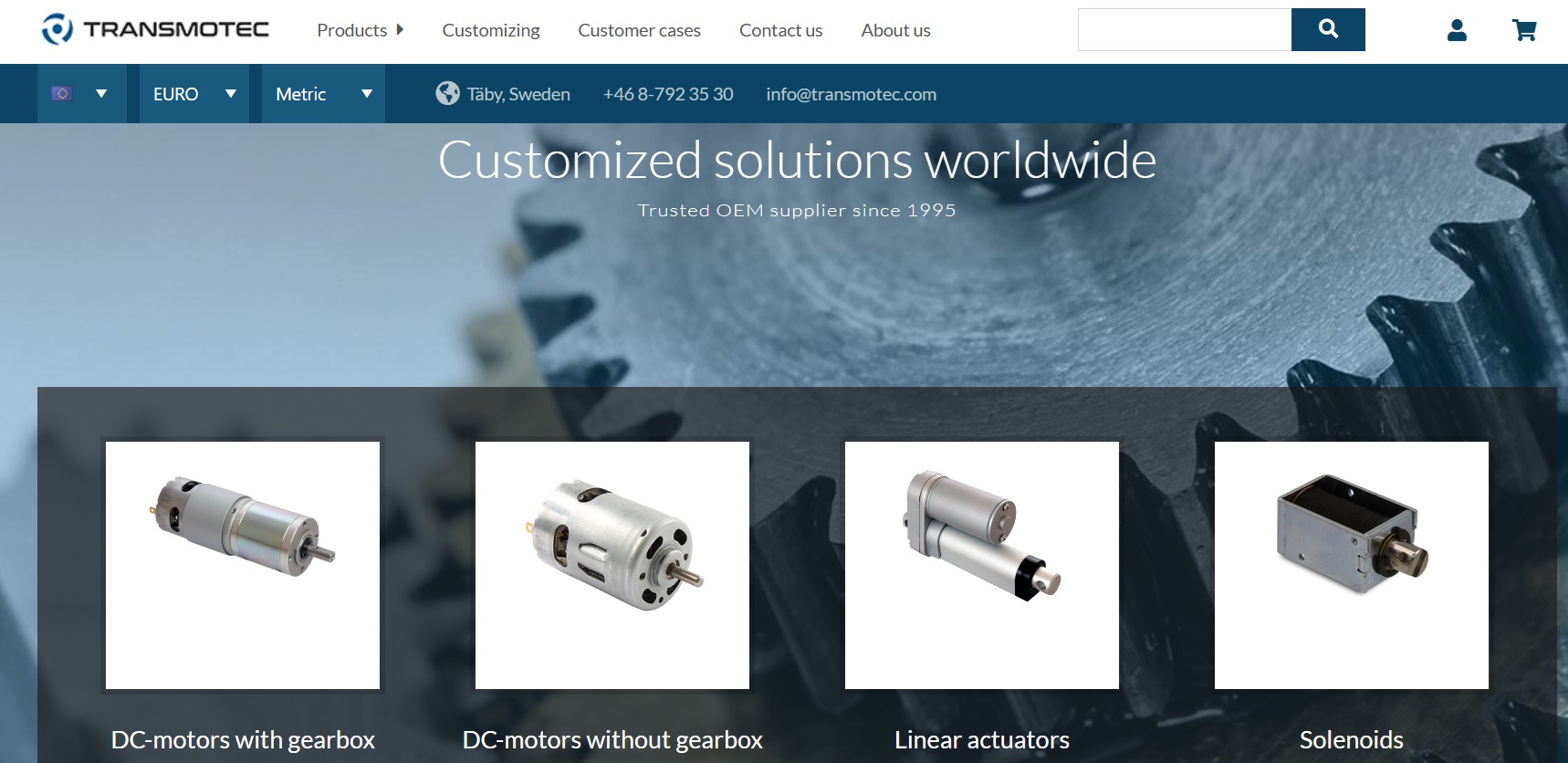
Transmotec, a Swedish supplier of motors and drive systems, has a share of the global AGV motor drive system market in 2024 and is also an important player in the global brushless DC drive industry. It provides various types and specifications of gear motors and is able to customize solutions according to customers' needs.

Location: Sweden

The Bottom

We have discussed the top 10 gear motor manufacturers in 2024. All these companies provide high quality gear motors. All have a different design, technology, benefits, etc. But the most important thing is their support and reliability. They make gear motors according to safety standards.
 
If you have Gear Motors needs, you can contact us, we will provide you with help and give you the best solution.

Monday, 27 May 2024

How do you compare the torque of a mid-drive and hub motor?


When it comes to electric bicycles, choosing the right motor is crucial for performance. Van Raam, a company specializing in e-bikes, primarily uses hub motors. However, mid-drive motors are also prevalent in the cycling world. This article will explain how to compare the torque of these two types of motors, providing insights with an example comparison between the torque of the Easy Rider tricycle with a hub motor and two types of mid-drive motors.

What is Motor Torque?

Torque, measured in Newton meters (Nm), is a force that causes rotation. In the context of e-bike motors, torque determines how much power the motor can deliver to move the bike. For example, a motor with 100 Nm torque and a 1-meter stick can lift a 10 kg weight at the stick's tip.

Hub Motors vs. Mid-Drive Motors

A. Hub Motors

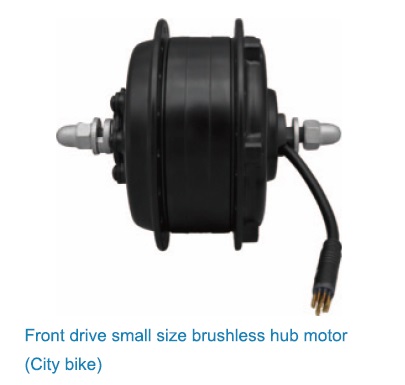
Hub motors, like those used by Van Raam, are built into the wheel. They have a reputation for longevity and reliability. The torque of a hub motor is measured at the motor shaft, which directly drives the wheel.

B. Mid-Drive Motors

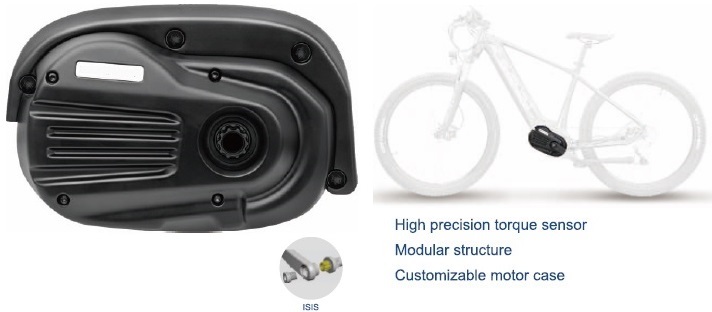
Mid-drive motors are located at the bike's crankshaft and transmit power to the rear wheel via the chain. The torque of a mid-drive motor is measured at the crankshaft, making direct comparison with hub motors complex without adjustments for gear ratios.

How to Compare Motor Torque

To accurately compare the torque of hub motors and mid-drive motors, you need to convert the motor torque to the torque at the driven wheel, considering gear ratios.

A. For Hub Motors

1. Direct Drive: The torque at the wheel is equal to the motor's torque.

2. Chain Drive: Adjust the motor's torque by the gear ratio between the motor's sprocket and the wheel's sprocket.

B. For Mid-Drive Motors

1. Consider the gear ratio between the crankshaft and the rear wheel.

2. Account for the impact of the bike's gear hub and shifting, which can reduce the effective torque.

Easy Rider Tricycle Comparison

The following comparison uses torque graphs to illustrate differences between the Easy Rider tricycle's hub motor and two mid-drive motors.

A. Mid-Drive Motor with 85 Nm Torque:

1. Delivers strong initial torque.

2. As speed increases, torque decreases significantly, falling below the hub motor's torque. This reduction is due to gear shifting at a pedal speed of 40 RPM, common among Uniqualis's users.

B. Mid-Drive Motor with 48 Nm Torque:

1. Initially stronger than a hub motor across the torque range but only briefly.

2. Provides more power up to 5 km/h but less than the Easy Rider’s hub motor beyond that speed.

C. Hub Motor on Easy Rider:

1. Consistently delivers strong torque, especially at speeds above 6 km/h.

2. Offers a more stable and reliable performance without the significant drop-offs seen in mid-drive motors.

Conclusion

When comparing the torque of mid-drive and hub motors, it's essential to consider the torque at the driven wheel and the gear ratios involved. Hub motors, like those in Uniqualis's Easy Rider tricycles, often provide more stable and consistent torque at higher speeds compared to mid-drive motors, which show stronger initial torque but decrease significantly as speed increases. Thus, for sustained performance, particularly at higher speeds, hub motors can offer superior torque and reliability.


Are you looking for a trusted partner for the supply of Hub Motors?


What is a Gear Motor and how it works?


A gear motor is a sophisticated mechanical device that combines an electric motor with a gearbox. This integration is designed to reduce the motor's speed (RPM) while increasing its torque, making it a versatile and efficient solution for various applications. Unlike a standard DC motor, which typically operates at high speeds with low torque, a gear motor provides the necessary power and control for specific tasks that require lower speeds and higher torque.

Understanding the Gear Motor

A. Definition and Function

A gear motor consists of an electric motor and a gearbox containing a series of gears. The primary function of the gearbox is to reduce the speed of the motor while simultaneously increasing its torque. This allows the gear motor to perform tasks at a controlled speed with enhanced power, making it ideal for applications that demand precision and strength.

B. Types of Gear Motors

1. Brushed Gear Motors: 

These motors use brushes to transfer electricity to the motor windings, typically offering simple construction and ease of control.

2. Brushless Gear Motors: 

These motors eliminate brushes, reducing maintenance and increasing efficiency and lifespan.

3. Stepper Gear Motors: 

These motors move in discrete steps, providing precise control over motion and positioning.

Historical Background

The concept of the gear motor dates back to 1928, when German designer and entrepreneur Albert Obermoser invented the Vorlegemotor, or gear motor. Since then, the basic model has undergone significant improvements, leading to the development of various advanced models tailored for different applications.

How Gear Motors Work

The performance of a gear motor is influenced by the number and type of gears within the gearbox. Different combinations of gears yield varying output speeds and torque levels. Generally, fewer gears result in higher RPM and lower torque, while more gears provide lower RPM and higher torque. This adaptability allows gear motors to be mounted in various positions and used in diverse applications.

A. Reduction Ratio

The reduction ratio, a critical characteristic of a gearbox, is the ratio between the input speed (from the motor) and the output speed (from the gearbox). This ratio determines the speed reduction and torque multiplication, making it a vital factor in the gear motor's performance.

B. Power and Load Capacity

The power and load capacity of a gear motor are defined by the maximum torque it can transmit, measured in Newton meters (Nm). This measurement indicates the motor's ability to handle different load levels and operational demands.

Differences Between Gear Motors and DC Motors

The primary difference between a gear motor and a standard DC motor lies in their speed and torque characteristics. While DC motors operate at high RPM with low torque, gear motors reduce the RPM and increase the torque through the integrated gearbox. This makes gear motors more versatile and suitable for a broader range of applications that require controlled speed and enhanced power.

Advantages of Gear Motors

A. Torque Multiplication: 

Gear motors significantly increase the torque of the motor, allowing high torque output even in compact spaces.

B. Speed Reduction: 

They effectively reduce the motor's speed, offering various reduction ratios to suit different applications.

C. Versatility: 

The availability of multiple combinations of gearboxes and motors at different voltages provides flexibility in application.

D. Ease of Use: 

An integrated motor and gearbox solution simplifies machinery development and eliminates the need for alignment work.

E. Ready-to-Use: 

Gear motors are all-in-one solutions, ready for immediate use without additional setup.


Are you looking for a trusted partner for the supply of Gear Motors


Applications of Gear Motors

Gear motors are employed in numerous fields due to their versatility and efficiency. Some notable applications include:

A. Industrial Automation

Production Processes: Gear motors assist in the movement of components and the manufacturing of final products. Food & Beverage: They handle bottles, packaging, and boxes, and are used in filling containers and selecting empty packages.

B. Home and Building Automation

Ventilation Systems: Used for flow regulation in heat recovery and ventilation. Telecommunication: Adjusting antennas for better signal reception. Security Systems: Implemented in locking, safety, and deterrence systems.

C. Consumer Appliances

Vending Machines: Utilized in food & beverage dispensers and coffee machines. Printers and Plotters: Enable mechanical and color settings. Robotics: Essential in robots, robotic cleaners, lawnmowers, and rovers.

D. Automotive Industry

Special Applications: Gear motors are used in shock absorber and sunroof adjustments.

Conclusion

A gear motor is a powerful and adaptable component that enhances the functionality and efficiency of various mechanical systems. Its ability to provide high torque at controlled speeds makes it indispensable in industries ranging from automation to consumer appliances. With ongoing advancements, gear motors continue to play a critical role in the evolution of mechanical and electronic systems, providing reliable and efficient solutions for a wide array of applications.


Are you looking for a trusted partner for the supply of Gear Motors?


What are the application of DC drive system and how it works?


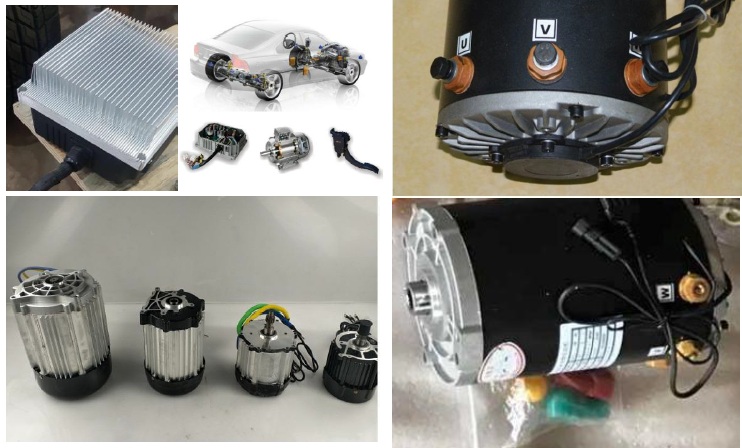
DC motors and drive systems have long been a mainstay in various industrial applications due to their robust performance, simplicity, and efficiency. Their ability to provide adjustable speed, constant or low-speed torque, and reliable operation makes them ideal for a wide range of uses. This article delves into the applications of DC drive systems, showcasing their versatility and importance in modern industries.

1. Industrial Machinery

A. Conveyors

DC drive systems are extensively used in conveyor belts due to their precise speed control and ability to handle varying loads. This is crucial in manufacturing and material handling processes, where different speeds are needed for different stages of production or material transfer. The adjustable speed feature of DC drives ensures smooth operation and efficiency.

B. Turntables

Turntables in industrial settings often require precise speed adjustments and stable low-speed operation. DC drives are well-suited for this application, providing the necessary control for tasks such as assembly lines, inspection stations, and packaging processes.

C. Dynamic Braking and Reversing

Many industrial machines require dynamic braking and reversing capabilities. DC drives excel in these applications, offering rapid response and reliable performance. This is particularly useful in applications such as metalworking machinery, where quick changes in direction and braking are necessary.

2. Transportation

A. Electric Vehicles (EVs)

DC drives are fundamental in the operation of electric vehicles, including cars, trains, and trams. They provide the necessary torque and speed control, ensuring smooth acceleration and deceleration. The high starting torque of DC drives makes them ideal for transportation applications, contributing to energy efficiency and performance.

B. Elevators and Escalators

Elevators and escalators depend on DC drive systems for their smooth and safe operation. The precise speed control and ability to handle varying loads ensure reliable performance, enhancing passenger safety and comfort.

3. Renewable Energy

A. Solar Tracking Systems

DC drives are used in solar power systems to control the positioning of solar panels, maximizing the capture of sunlight. By adjusting the angle of the panels throughout the day, DC drives help optimize the efficiency of solar energy generation.

B. Wind Turbines

In wind power applications, DC drives are utilized to control the positioning and speed of turbine blades. This ensures maximum energy capture from the wind, contributing to more efficient power generation.

4. Robotics and Automation

A. Robotics

Robotics applications require precise motion control, which DC drives provide efficiently. From robotic arms to automated conveyor systems, DC drives enable high precision and repeatability, essential for modern manufacturing processes.

B. Automated Guided Vehicles (AGVs)

AGVs in warehouses and manufacturing facilities use DC drive systems for propulsion and steering. The accurate speed and direction control offered by DC drives ensure efficient and precise movement of materials.

5. Electric Propulsion

A. Marine Applications

Marine vessels, including ships and submarines, use DC drives for propulsion systems. The ability to provide smooth and variable speed control makes DC drives ideal for marine applications, ensuring efficient and reliable operation in different conditions.

B. Aerospace Applications

In the aerospace sector, DC drives are employed in control systems for actuators, managing the position of flaps and other movable components. Their reliability and precision are critical for the safe and efficient operation of aircraft.

6. Mining and Drilling

A. Excavation Equipment

DC drives are essential in excavation equipment, offering the torque and speed control needed for drills, excavators, and conveyors. Their robust performance ensures efficient operation in the challenging conditions of mining environments.

B. Conveyor Belts

In mining and bulk material handling, DC motor-driven conveyor belts provide reliable and controllable transportation of materials. The ability to adjust speeds and handle heavy loads makes DC drives suitable for these demanding applications.

Conclusion

DC drive systems are integral to a wide array of industrial applications due to their versatility, reliability, and precise control capabilities. From manufacturing and transportation to renewable energy and robotics, DC drives play a crucial role in enhancing efficiency and performance. Their continued evolution and adaptation to modern technology ensure that DC drive systems will remain vital in future industrial advancements.

Understanding and utilizing the unique benefits of DC drive systems can help industries optimize processes, increase productivity, and achieve sustainable development goals.


Do you need more information about our Gear Motors?

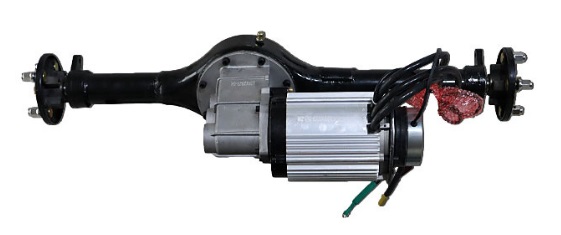
How Much Does an Electric Drive Axle Cost in 2024?


With the growing shift towards electric vehicles (EVs), the electric drive axle has become a critical component in modern automotive engineering. An electric drive axle integrates the motor, transmission, and power electronics into a single unit, contributing to the efficiency and performance of EVs. As of 2024, the cost of an electric drive axle varies widely, depending on several factors. This article explores the price range and the elements that influence the cost of electric drive axles.

Average Cost of an Electric Drive Axle

A. Price Range

As of 2024, the average cost of an electric drive axle ranges from $400 to $1,500. This price includes the integrated motor, transmission, and power electronics. The variation in cost is influenced by several factors, including the specifications, performance capabilities, and additional features of the axle.

B. Factors Influencing Cost

Power and Performance: Higher power and performance specifications, such as greater torque and speed capabilities, typically increase the cost. Electric axles designed for high-performance vehicles or heavy-duty applications will be on the higher end of the price spectrum.

C. Technology and Integration

Advanced technologies, such as regenerative braking systems and sophisticated control algorithms, EM brake can add to the cost. Additionally, the level of integration with other vehicle systems can affect the price.

D. Brand and Manufacturer

Well-known brands and manufacturers with a reputation for quality and reliability may charge a premium for their products. Conversely, lesser-known or new manufacturers might offer lower prices to gain market share. Uniqualis can customize the professional electrical drive axle with the cost-performance balanced price for you by more than 10 years experience. 

E. Volume and Customization

Bulk purchases and standard models are generally cheaper. Custom-designed axles tailored to specific vehicle requirements or low-volume production runs can significantly increase the cost.

Detailed Cost Breakdown

A. Standard Electric Drive Axles

For typical light weight EVs, a standard electric drive axle with moderate power output and basic integration features usually costs between $400 and $800. These axles are suitable for everyday driving conditions and are often found in economy ,500w-4kW and mid-range off-road electric cars.

B. High-Performance Electric Drive Axles

Electric drive axles designed for high-performance EVs, such as sports cars or high-capacity trucks, can cost between $1,000 and $1,500. These axles offer higher torque, better speed control, and advanced features like enhanced cooling systems and robust construction to handle demanding driving conditions.

C. Specialized and Custom Electric Drive Axles

In cases where specialized or custom electric drive axles are required, the cost can exceed $1,500. These axles may be designed for unique applications, such as off-road vehicles, heavy-duty commercial trucks, or specific industrial uses. The customization process involves additional engineering, design, and testing, contributing to the higher price.

Long-Term Value and Investment

A. Efficiency and Performance Benefits

Investing in a quality electric drive axle can provide long-term benefits, including improved vehicle efficiency, enhanced performance, and reduced maintenance costs. High-quality axles contribute to better energy use, leading to longer battery life and extended driving range.

B. Reliability and Durability

Electric drive axles from reputable manufacturers are built to last, offering durability and reliability that justify the initial investment. A durable axle reduces the likelihood of frequent replacements and repairs, ultimately saving money over the vehicle's lifespan.

C. Environmental Impact

Electric drive axles play a crucial role in the overall efficiency of EVs, contributing to lower emissions and a reduced carbon footprint. Investing in efficient and high-performance axles aligns with the broader goal of sustainability and environmental responsibility.


Conclusion

The cost of an electric drive axle in 2024 ranges from $400 to $1,500, influenced by factors such as power and performance, technology integration, brand reputation, and customization needs. While the initial investment may vary, the long-term benefits of efficiency, performance, reliability, and environmental impact make electric drive axles a worthwhile consideration for modern electric vehicles.

Understanding the specific requirements and intended use of the vehicle can help in selecting the right electric drive axle that offers the best value for money.


Do you need more information about our Electric Drive Axle?


Top 10 Gear Motor Manufacturers in 2024

                         Are you looking for a reliable gear motor manufacturer? Do you find it challenging to obtain comprehensive informat...